
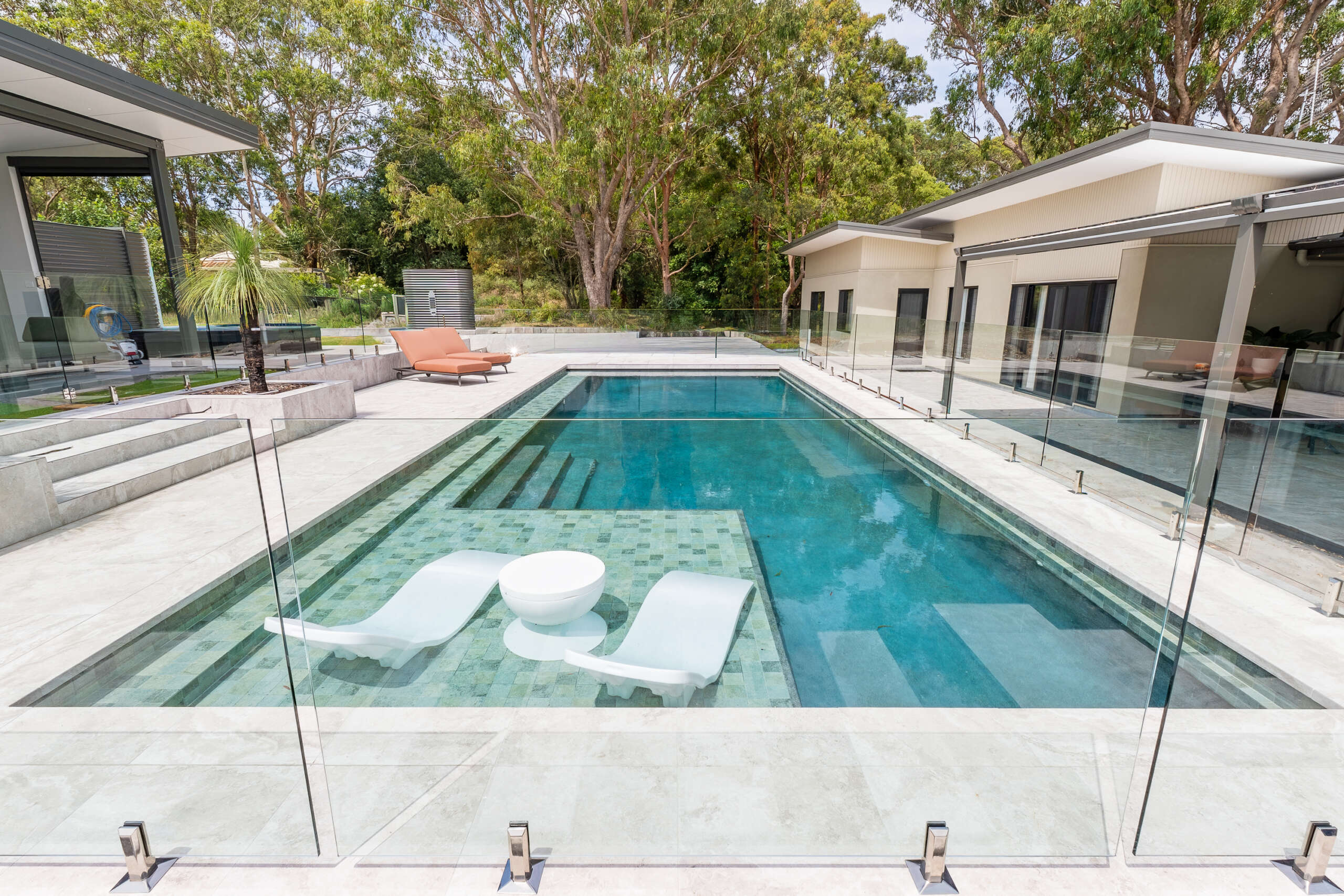
A concrete swimming pool is a valuable investment that increases the value and functionality of any piece of land. However, there are challenges involved in constructing a concrete swimming pool, especially in areas such as Lake Macquarie, Maitland, Cessnock, and Singleton in New South Wales.
These challenges can be well managed with proper planning and the help of professional concrete pool builders. This guide will discuss the common problems involved in concrete pool construction and how they are solved.
Quick Answer: What Are the Main Challenges in Concrete Pool Construction?
Concrete pools have often faced some common issues in their construction, such as soil movement, appearance of cracks in the structure, leakage in the waterproofing system, drainage issues, cost escalation, and project delays in receiving approval from the concerned authorities. Experienced constructors have been able to overcome these issues by carefully evaluating the site, employing reinforced designs, and following the best possible materials.
Understanding Concrete Pools and Their Popularity
A concrete pool is one of the most versatile and long-lasting pool types that can be found. Unlike other prefabricated pools, concrete swimming pools can be designed to suit the customer’s needs and preferences.
Popular options include:
- In-ground concrete pools
- Concrete plunge pools for small spaces
- Above ground concrete pools
- Custom concrete above ground pools
- Decorative concrete pool surrounds
In the growth areas of Belmont, Warners Bay, Charlestown, Rutherford, and Kurri Kurri, homeowners are increasingly choosing concrete pools for their durability and flexibility of design.
1. Challenging Soil Conditions
Problem
The areas around Lake Macquarie and Maitland tend to have clay soils or reactive soils. These soils tend to expand and contract depending on the water content, thus being more prone to movement.
Professional Solution
Experienced construction companies perform geotechnical soil tests prior to excavation. Based on the results, they carry out:
- Structural reinforcement
- Deeper foundations
- Engineered retaining systems
- Proper compaction techniques
This ensures the concrete in pool structures remains stable over time.
2. Structural Cracking and Weak Foundations
Problem
Poor concrete mixture, improper curing, or inadequate steel reinforcement may cause concrete pool cracking.
Professional Solution
Professionals use:
- High-grade reinforced concrete
- Steel rebar frameworks
- Controlled curing processes
- Shotcrete or gunite applications
These methods strengthen the concrete swimming pool shell and reduce long-term damage risks.
3. Waterproofing and Leakage Issues
Problem
Water seepage is one of the costliest issues associated with concrete pool construction. Even minute cracks may cause water leakage and pool damage.
Professional Solution
Reliable concrete pool builders apply:
- Waterproof membranes
- High-quality sealants
- Pressure testing
- Multi-layer surface coatings
This prevents leaks and protects surrounding structures.
4. Drainage and Groundwater Management
Problem
In areas like Cessnock and Singleton, high groundwater levels and high rainfall may cause hydrostatic pressure beneath concrete pools, resulting in pool lifting or cracking.
Professional Solution
Builders install:
- Subsurface drainage systems
- Hydrostatic relief valves
- Proper backfilling materials
- Stormwater diversion channels
These systems regulate water flow and maintain structural balance.
5. Cost Overruns and Budget Management
Problem
Most homeowners underestimate the actual cost of concrete pool construction. Additional costs may be incurred due to excavation challenges, material upgrades, or design modifications.
Professional Solution
Professionals provide:
- Detailed project estimates
- Transparent contracts
- Contingency planning
- Stage-wise construction schedules
This helps clients control costs while maintaining quality standards.
6. Design Limitations and Space Constraints
Problem
Small or irregularly shaped properties may limit conventional pool designs, particularly in the suburbs of Abermain, Greta, and Branxton.
Professional Solution
Specialists design:
- Custom concrete plunge pools
- Multi-level pool structures
- Above ground concrete pool solutions
- Integrated decking and surrounds
This allows efficient use of limited space without compromising functionality.
7. Council Approvals and Compliance Delays
Problem
Council regulations, fencing, and environmental factors may cause project delays if not managed properly.
Professional Solution
Professional builders manage:
- Development applications
- Safety compliance
- Barrier and fencing standards
- Environmental approvals
This ensures smooth project execution and legal compliance.
Comparison: Concrete Pools vs Other Pool Types
| Feature | Concrete Pool | Fibreglass Pool | Vinyl Pool |
|---|---|---|---|
| Customisation | Very High | Limited | Moderate |
| Durability | Excellent | Good | Moderate |
| Installation Time | Longer | Faster | Moderate |
| Maintenance | Moderate | Low | Moderate |
| Lifespan | 40+ Years | 25+ Years | 15–20 Years |
Concrete pools offer the highest design flexibility and lifespan, making them ideal for premium residential and commercial developments.
Pool Maintenance Tips for Australian Climates
Proper maintenance extends the life of your concrete swimming pool and improves water quality.
Recommended Practices
- Test water chemistry weekly
- Clean filters monthly
- Brush pool surfaces regularly
- Inspect concrete pool surrounds for cracks
- Maintain proper drainage systems
- Service equipment annually
In coastal and humid regions near Lake Macquarie, additional corrosion protection may be required.
Local NSW Considerations for Concrete Pools
When building in Lake Macquarie, Maitland, Cessnock, and surrounding suburbs, consider:
- Coastal salt exposure
- Reactive soil profiles
- Seasonal rainfall patterns
- Bushfire zoning regulations
- Council setback requirements
Professional builders factor these elements into every project to ensure durability and compliance.
Key Takeaways
- Concrete pools offer unmatched durability and customisation.
- Common challenges include soil movement, cracking, waterproofing, and approvals.
- Professional planning and engineering solutions prevent costly repairs.
- Regular maintenance protects your long-term investment.
Local expertise is essential in NSW regional areas
A properly built concrete swimming pool can last over 40 years with regular maintenance.
Yes. Concrete plunge pools are ideal for compact spaces and can be fully customised.
Yes. Concrete above ground pools are suitable for sloped or limited-access properties.
Initial costs are higher, but long-term durability makes concrete pools cost-effective over time.
Professional servicing is recommended at least once per year, with regular homeowner maintenance.
Yes. High-quality waterproof membranes and sealants are essential for leak prevention.
Coastal regions, clay soil zones, and high-rainfall areas require advanced engineering solutions.